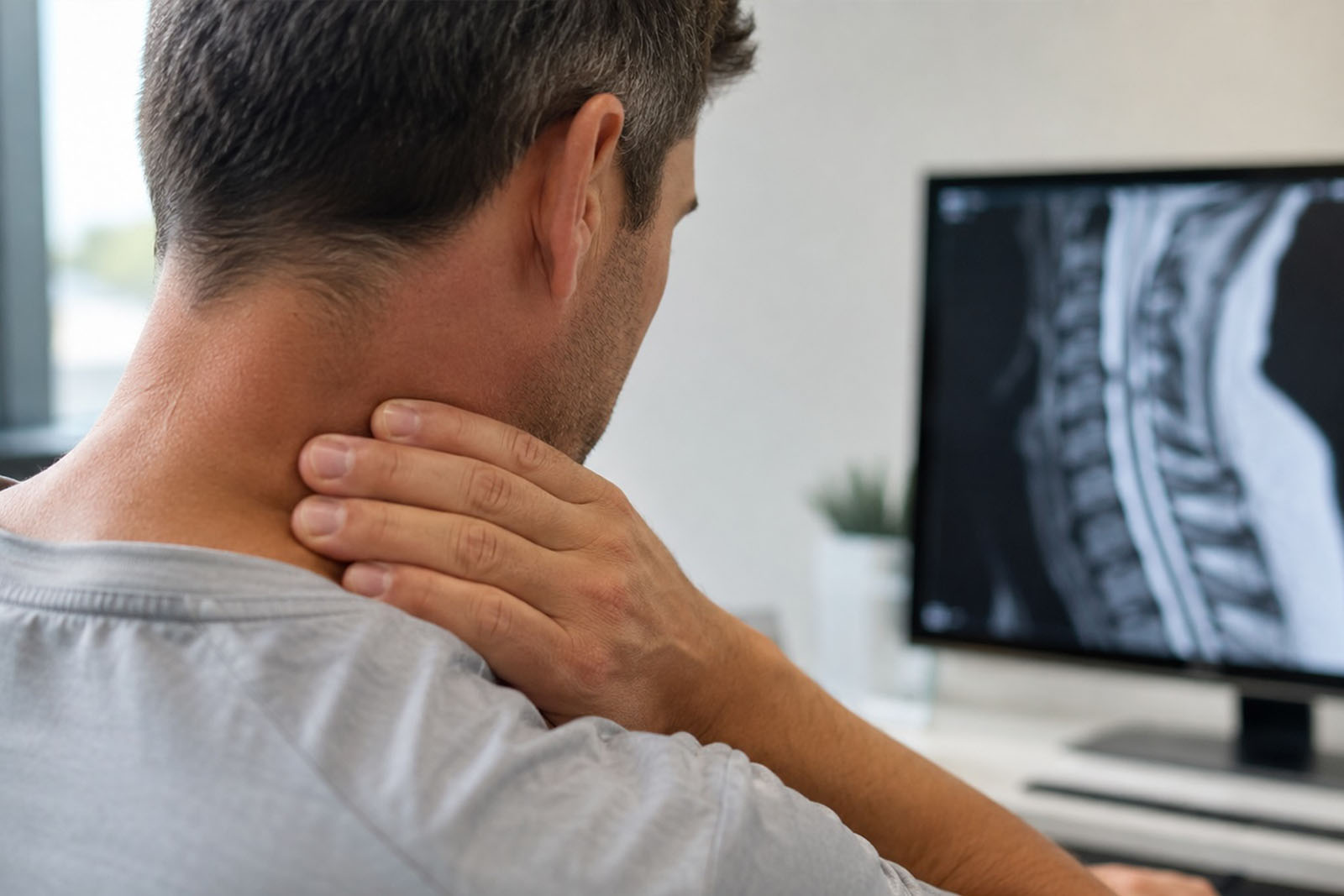


After spine surgery, many patients want to know: When can I travel again? Whether it’s a short drive, a business trip, or a long-haul flight, timing and precautions matter. In this guide, motion preservation expert Dr. Todd Lanman shares key considerations for post-operative travel and how different types of spine surgery affect your travel timeline.
Why Travel May Be Restricted After Spine Surgery
Travel restrictions after spine surgery aren’t just arbitrary rules, they exist for good reasons. Sitting for long periods puts pressure on your healing spine and can increase pain and swelling, especially in those first weeks. Even short trips can cause discomfort when you can’t shift position easily or keep your spine properly aligned.
Your mobility matters too. Right after surgery, you may find that walking, balance, and reaction time aren’t quite back to normal. Getting through airports, climbing in and out of cars, or lifting luggage can put unexpected strain on your spine and increase your risk of falling.
Blood clot risk deserves special attention. Surgery temporarily raises your risk of deep vein thrombosis (DVT), and staying still during travel makes this worse. Long car rides and flights reduce circulation in your legs, which is why your surgeon will emphasize movement, staying hydrated, and careful timing if travel becomes necessary.
Finally, wound care and follow-up appointments play a critical role in your recovery. Your incision needs to heal properly, and those early visits help your surgeon adjust medications, advance your activity level, and catch any complications early. Traveling before these checkpoints can delay recognition of problems and make care more difficult if issues develop while you’re away from your surgical team.
How Soon Can You Travel After Spine Surgery?
No single recovery timeline applies to everyone. Your ability to travel clearance depends on the procedure you had, how well healing is progressing, and your pain control, mobility, and neurologic stability. Dr. Lanman evaluates readiness to travel based on risk and relative recovery, not calendar dates. That being said, here are some general guidelines.
Depends on the Procedure and Recovery Progress:
After artificial disc replacement, many patients resume travel within one to two weeks. Because the procedure preserves spinal motion and does not rely on bone fusion, patients often tolerate sitting and walking sooner.
After microdiscectomy or decompression, short trips may be reasonable within five days to two weeks if pain improves and neurologic symptoms stabilize. These procedures relieve nerve compression without compromising spinal stability, which often supports earlier mobility.
After spinal fusion, travel usually remains restricted for two to six weeks. Fusion requires bone healing and temporary motion limitation, which increases vulnerability during prolonged sitting, lifting, or unexpected strain.
A Special Note About Traveling After Spinal Fusion:
Fusion recovery warrants special caution. Spinal fusion takes longer to heal than other spine procedures. Fusion permanently connects vertebrae together using bone grafts and hardware. Your body needs time to grow new bone across the fusion site, which is why travel stays restricted for 6-12 weeks or longer.
Learn more about permanent restrictions after spinal fusion
If you had multilevel or complex fusion surgery, expect longer restrictions. The more vertebrae fused, the longer your recovery. Dr. Lanman needs to confirm the fusion is healing properly and your spine is stable before you travel.
Local vs. Long-Distance Travel:
Short car rides may be allowed within one to two days for select procedures if you can sit comfortably, move safely, and are no longer taking narcotic pain medications. Flying often requires surgeon clearance, particularly for longer flights that limit movement and increase clot risk. International travel typically waits until mobility improves, follow-up visits occur, and contingency plans exist should complications arise while away from your surgical team.
Flying After Spine Surgery: What to Know
Flying is possible after spine surgery, but timing and planning matter. Always follow Dr. Todd Lanman’s specific clearance first, then use these guidelines to keep flights as safe and comfortable as possible.
Wait for basic comfort and mobility.
You should be able to move comfortably, walk short distances, and sit upright for at least an hour or two before you fly. If you cannot get in and out of a chair easily, walk to the bathroom, or change positions without sharp pain, it is too early to be on a plane.
Choose your seat wisely.
Request an aisle seat so you can stand up and move without climbing over other passengers. This makes it easier to stretch, adjust your posture, and take short walks during the flight.
Protect against blood clots.
Try to stand and walk the aisle about every hour when it is safe to do so. Between walks, gently pump your ankles and wiggle your toes while seated. Wear compression stockings if Dr. Lanman or your surgical team recommends them, as they help blood flow in your legs during long periods of sitting.
Support your spine while seated.
Bring a small lumbar pillow or rolled towel for your lower back, or a cervical pillow for neck surgery. Place the support where your spine naturally curves to help you sit upright without slouching.
Avoid heavy lifting.
Do not lift carry-on bags into overhead bins or pull heavy luggage. Ask a travel companion or airline staff for help, and use lightweight, rolling bags. Your priority is protecting your healing spine, not managing baggage on your own.
Driving After Spine Surgery: Key Guidelines
Driving requires quick reflexes, the ability to turn your head and torso, and full attention, which may be limited right after spine surgery. Getting back behind the wheel too soon can put you and others at risk, so timing and readiness matter more than a fixed date on the calendar.
Most patients can drive after:
- 1 week for artificial disc replacement or microdiscectomy
- 2 weeks for spinal fusion
These are general timelines. Your actual clearance depends on how you are healing, your pain level, and whether you meet the safety requirements below.
You must be off narcotic pain medications before driving.
Opioids (narcotics) slow your reaction time and reduce alertness, making it unsafe to operate a vehicle. Even if you feel alert, these medications affect how quickly your brain processes danger and how fast you can move your foot from the gas to the brake. Do not drive while taking prescription pain medications like hydrocodone, oxycodone, or tramadol.
You should be able to brake quickly and turn comfortably.
Before you drive, test whether you can quickly press the brake pedal without hesitation or pain. You should also be able to rotate your neck to check blind spots and twist your torso enough to look over your shoulder when changing lanes or backing up. If these movements cause sharp pain or feel stiff, wait longer.
Use support and take breaks on longer drives.
Even after you are cleared to drive, start with short trips close to home. Use a lumbar support pillow or rolled towel if you had lower back surgery, or a cervical pillow for neck surgery. On longer drives, stop every 30 to 60 minutes to stand, stretch, and walk a few steps. This reduces stiffness and keeps blood flowing in your legs.
When in doubt, ask Dr. Lanman or your surgical team before getting behind the wheel.
Tips for Comfortable and Safe Travel
Smart planning makes post-surgery travel safer and less stressful. Use these strategies to protect your spine and stay comfortable on the road or in the air.
Before you leave:
- Pack light and use rolling luggage with wheels; avoid backpacks or heavy bags you need to lift or carry
- Bring all your medications in their original bottles, along with a list of dosages
- Ask Dr. Lanman’s office for a surgical clearance letter if flying, especially for international trips
- Contact airlines or hotels ahead of time to request accessible seating, ground-floor rooms, or mobility assistance
During travel:
- Take frequent breaks; stand, stretch, and walk every 30 to 60 minutes to keep your spine flexible and reduce blood clot risk
- Stay well-hydrated by drinking water regularly, especially on flights where cabin air is dry
- Use ice or heat packs if Dr. Lanman recommends them for pain or swelling
- Do not hesitate to ask for wheelchair service at airports or early boarding to avoid rushing and reduce strain
Listen to your body. If you feel increased pain, stiffness, numbness, or weakness during travel, stop and rest. Pushing through discomfort can lead to setbacks that delay your overall recovery.
When You Should Avoid Travel
Some situations make travel unsafe, no matter how short the trip. Do not travel if you have any of the following:
Medical red flags:
- Unhealed incisions or surgical drains still in place: your wound needs to close completely before exposure to airports, hotels, or long car rides
- Persistent pain or spinal instability: if standing, walking, or sitting still causes significant pain or feels unstable, your spine is not ready for travel
- Signs of infection: fever, redness, warmth, swelling, or drainage from your incision require immediate medical attention, not a plane ticket
- No clearance from Dr. Lanman: never assume you are ready to travel without explicit approval from your surgical team
Traveling too soon can lead to setbacks or complications.
Rushing back to travel before your body is ready can reinjure your spine, delay healing, worsen pain, or cause serious problems like infection or blood clots. The few extra weeks of patience now can prevent months of additional recovery later.
When in doubt, wait. Your long-term spine health is more important than any single trip.
How Dr. Lanman Helps Patients Return to Travel Faster
Todd H. Lanman tailors recovery plans to each patient’s lifestyle and travel needs rather than relying on fixed timelines. When appropriate, he uses minimally invasive, motion-preserving procedures such as artificial disc replacement, which often allow earlier mobility than fusion-based surgery.
Because many patients travel nationally or internationally for care, follow-up remains structured and proactive, with clear guidance and coordination after surgery. This experience allows travel to resume safely and efficiently, without sacrificing long-term spine health.
FAQs: Travel and Spine Surgery
How soon can I fly after artificial disc replacement?
Many patients can fly within one week after artificial disc replacement if pain is controlled, mobility has returned, and your surgeon has cleared travel. Short flights are usually tolerated sooner than long-haul trips.
Can I travel internationally after spinal fusion?
International travel after spinal fusion often needs to wait two weeks or longer. Clearance depends on bone healing, mobility, and completion of early follow-up visits, not on a fixed timeline.
Do I need clearance to board a flight after surgery?
Formal airline clearance is rarely required, but surgeon clearance is important, especially for long flights. Your surgeon confirms that sitting tolerance, wound healing, and clot risk remain acceptable.
What’s the best seat on a plane after spine surgery?
An aisle seat is usually best. It allows easier standing and walking during the flight, which helps reduce stiffness and blood clot risk.
Should I postpone travel if I still have back pain post-op?
Yes. Ongoing or worsening pain can signal incomplete healing or complications. Travel should wait until pain stabilizes and your surgeon confirms that movement and sitting are safe.
Conclusion: Travel Is Possible—With the Right Timing and Care
You do not have to give up travel permanently after spine surgery. With appropriate timing, surgeon guidance, and realistic expectations, most patients return to driving and flying safely. After motion-preserving procedures such as artificial disc replacement, many patients regain mobility sooner and resume normal travel with fewer long-term restrictions.
Planning a trip after spine surgery? Schedule a consultation with Dr. Todd Lanman to receive a personalized recovery and travel timeline based on your procedure and personal circumstances. Thoughtful planning now helps protect your spine and your long-term mobility