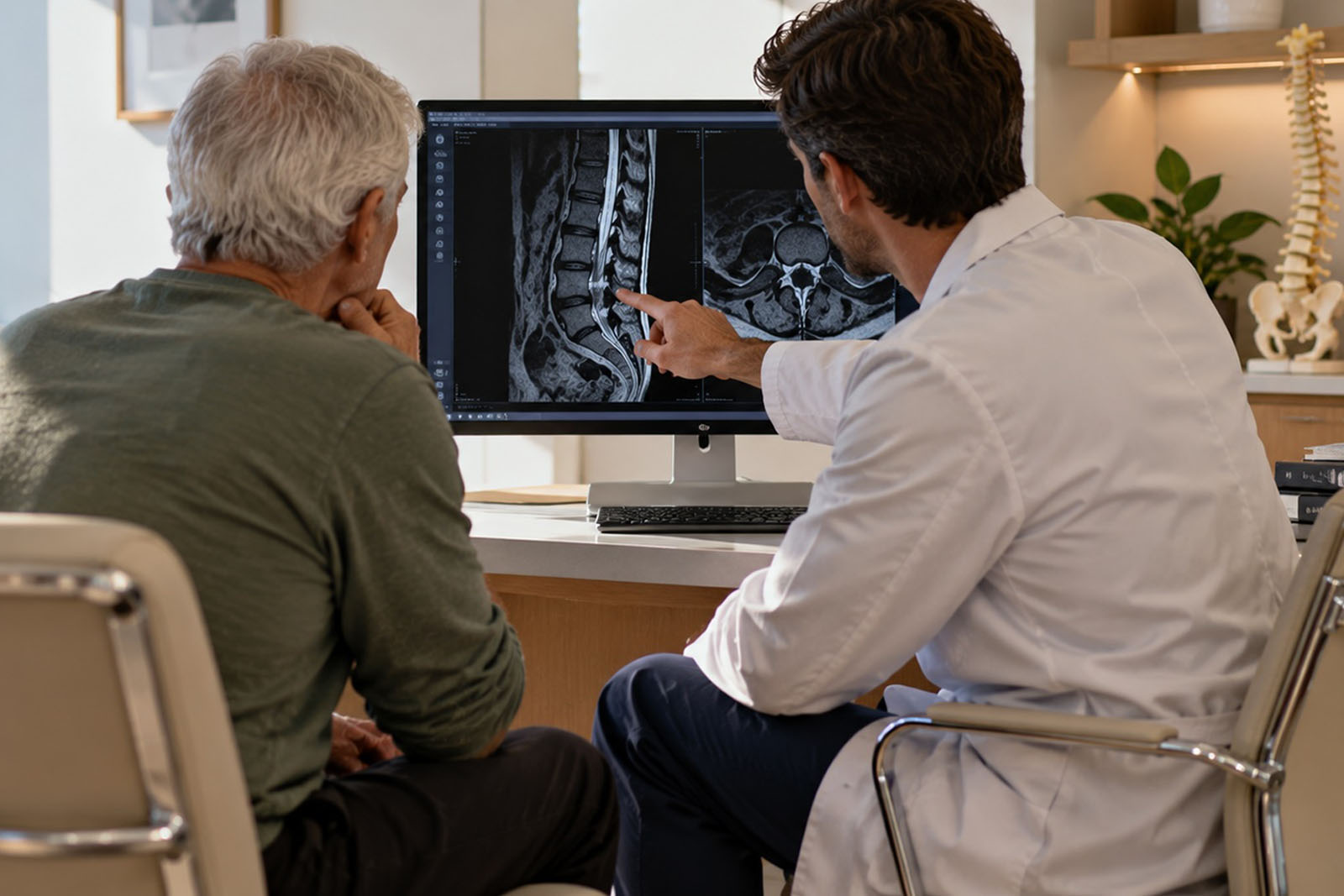


Degenerative Disc Disease (DDD) is a common spinal condition that can cause chronic pain, stiffness, and limited mobility. When conservative treatments fail, surgery may be the best option to restore function and relieve pain. This guide explores the success rates of various surgical options, including spinal fusion and artificial disc replacement, with insights from leading spine surgeon Dr. Todd Lanman.
What Is Degenerative Disc Disease?
Degenerative disc disease, or DDD, is a term used to describe the natural wear and tear that happens to the shock-absorbing discs between the bones (vertebrae) in your spine, especially as you get older. While it’s called a “disease,” it’s really just a normal part of aging for many people. Some may notice pain, stiffness, or even trouble moving their neck or back, while others may not have any symptoms at all, even if an X-ray or MRI shows changes in their discs.
Most often, DDD is seen in two areas: the cervical spine (your neck) and the lumbar spine (your lower back). It’s less common in the middle of your back (the thoracic spine). Pain can sometimes spread to your arms or legs, and you might feel numbness or tingling (sometimes called “pins and needles”). Simple activities like lifting, twisting, or sitting for long periods may make symptoms worse, while rest or changes in position may give relief.
Key causes of DDD include aging (discs lose water and become brittle over time), injuries (even minor ones), jobs or activities that put repeated stress on your back or neck, and general disc dehydration. The important thing to remember is that finding disc changes on a scan does not always mean you’ll have pain—many people have these changes without realizing it. If you do have symptoms, most can be managed with lifestyle changes, physical therapy, or mild medications. Surgery is not usually needed unless other treatments fail and the symptoms become severe.
When Is Surgery Needed for DDD?
Surgery for degenerative disc disease (DDD) is only considered if non-surgical treatments—like physical therapy, medication, or injections—have not relieved your symptoms. Possible reasons for surgery include severe, ongoing pain that disrupts daily life, neurological problems (such as lasting weakness, numbness, or “pins and needles” in your limbs), a major loss of physical function or quality of life, or if MRI or X-ray shows advanced disc collapse or spinal instability.
Most people with DDD do not need surgery, and it is usually seen as a last option. Risks like infection, blood clots, and possible continued pain after surgery make it important to weigh the pros and cons carefully. Before agreeing to surgery, get a second opinion and thoroughly discuss your specific situation with your doctor.
Surgical Options for Degenerative Disc Disease
Spinal Fusion
Spinal fusion is a traditional surgical treatment for severe back problems that removes the worn disc and permanently joins (fuses together) two adjacent vertebrae, aiming to stop abnormal movement and relieve pain. While it often provides lasting pain relief, this procedure usually reduces flexibility in the treated area of the spine. Over time, there is also a risk that the vertebrae next to the fused segment could wear out faster, potentially leading to new issues. This is called adjacent segment degeneration. Spinal fusion is generally recommended only after less invasive options fail.
Artificial Disc Replacement (ADR)
Artificial disc replacement (ADR) is a modern surgical option for people with certain types of severe back or neck pain caused by damaged discs. Instead of fusing two vertebrae together to stop painful movement, as in spinal fusion, ADR removes the worn-out disc and replaces it with an artificial one designed to move much like your natural disc. This approach aims to relieve pain while preserving spinal flexibility and reducing the extra stress that can develop on discs above and below the treated area, i.e., less adjacent segment degeneration. Some patients recover faster with ADR than fusion, returning to daily activities sooner. However, this procedure isn’t for everyone, and your doctor will only suggest it if less invasive treatments haven’t helped and your symptoms are significantly affecting your quality of life.
As with any major surgery, it’s important to thoroughly understand the risks and benefits, the surgeon’s experience, and your own recovery expectations. Dr. Todd Lanman is a world leader in performing and advancing ADR surgery. He has performed hundreds of procedures and led many clinical trials to develop the devices and techniques used today.
Degenerative Disc Disease Surgery Success Rates
Fusion Surgery Success Rates
Fusion surgery, a procedure to permanently join two or more bones in the spine to stabilize it and reduce pain, generally has a high rate of success when it comes to the bones healing into one solid unit. Most patients achieve fusion within one year after surgery, with reported success rates typically ranging from 85% to 95% at one year. Overall satisfaction rates after spinal fusion range from about 68% to 85%, depending on the condition treated, the location of the spine, surgical method, and how satisfaction is measured.
Artificial Disc Replacement Success Rates
Patient satisfaction rates for artificial disc replacement (ADR) in patients with degenerative disc disease (DDD) are consistently high, typically ranging from 85% to over 90% in well-designed clinical trials. For example, the FDA IDE trials for devices like the Prestige LP, ProDisc-L, and M6-C reported satisfaction rates of 86%–92% at 5- to 10-year follow-up for single-level DDD, often exceeding those seen with spinal fusion in the same studies.
Head-to-Head Comparison
In a meta-analysis of 11 randomized controlled trials involving over 3,500 patients, artificial disc replacement (ADR) demonstrated significantly higher overall success rates than anterior cervical discectomy and fusion (ACDF). ADR was also superior in achieving neck disability index (NDI) and neurological success, improving pain and functional outcomes, and reducing the risk of symptomatic adjacent segment degeneration and secondary surgeries at both the index and adjacent levels. While adverse event rates and radiologic success were similar between groups, patient satisfaction and willingness to recommend the procedure were significantly higher with ADR. These findings support ADR as a favorable alternative to ACDF for appropriately selected patients with cervical disc disease.
Factors That Influence Surgical Outcomes
Patient Health & Lifestyle
Patient health and lifestyle factors play a critical role in the success of lumbar total disc replacement. Smoking impairs blood flow and bone healing, increasing the risk of implant complications and delayed recovery. Obesity can place excessive mechanical stress on the artificial disc, potentially compromising its function and longevity. Poor bone quality, including osteopenia or osteoporosis, may reduce implant stability and elevate the risk of subsidence or failure. Optimizing these modifiable factors preoperatively can significantly enhance surgical outcomes and long-term durability of the implant.
Surgical Technique & Experience
The success of artificial disc replacement depends heavily on the skill of the surgeon and the techniques used. Proper implant placement, preservation of surrounding structures, and choosing the right patients for the procedure all require expert judgment and advanced technology. Dr. Todd Lanman brings decades of experience in motion-preserving spine surgery and is widely regarded as a leader in the field. His precision and expertise in performing ADR have helped countless patients achieve lasting relief and a faster return to active living.
Post-Surgical Rehab
Recovery does not end in the operating room. What happens after surgery is just as important. It is important to follow a structured rehabilitation plan, including physical therapy and activity guidelines. These maximize the likelihood of long-term success after surgery. Patients who stay consistent with their rehab tend to regain strength, mobility, and function more quickly. Skipping or modifying post-op instructions can delay recovery or compromise the outcome. Staying engaged in the process helps protect the implant and supports a smoother return to daily life.
Risks and Considerations
With spine surgery, as with any surgery, there are inherent risks. These include bleeding, infection, hardware failure, nerve damage, and recurrence of symptoms. Although serious complications are relatively uncommon, the choice of surgeon plays a critical role in minimizing these risks. A top spine specialist brings the expertise needed to select the right procedure, perform it with precision, and manage recovery effectively, all of which contribute to safer outcomes and better long-term results.
Why Choose Dr. Lanman for DDD Surgery?
When it comes to surgical treatment for degenerative disc disease, few physicians bring the level of experience and innovation that Dr. Todd Lanman offers. With over 30 years of expertise in spinal surgery and a focus on motion preservation, Dr. Lanman has helped shape the field as a principal investigator in FDA trials for advanced ADR devices like the Prestige LP and M6 devices. He is the trusted spine surgeon for high-performing professionals, elite athletes, and global executives who rely on precision and results. Patients benefit from his personalized approach, which includes his proprietary 4D Health™ optimization strategy to enhance outcomes and support long-term spine wellness.
FAQs About DDD Surgery and Outcomes
How long is recovery from DDD surgery?
Most patients resume light activity within a few weeks, with full recovery taking 3 to 6 months depending on the procedure and individual health factors. Recovery from artifical disc replacement tends to be faster than fusion.
Can degenerative disc disease come back after surgery?
Surgery treats the affected level but does not stop natural aging; adjacent discs can degenerate over time, especially after fusion.
Is ADR better than spinal fusion for DDD?
For many patients, artificial disc replacement offers faster recovery, preserved motion, and a lower risk of adjacent segment disease—but the best option depends on your anatomy and condition.
What is the long-term outlook after surgery?
Most patients experience lasting relief and improved function; success rates remain high at 5 to 10 years post-surgery, especially with expert care.
Am I a candidate for motion-preserving disc replacement?
You may be if you have single-level DDD, no significant instability, and good bone health. Dr. Lanman can determine if you are eligible.
Long-Term Relief Is Possible With the Right Surgical Care
Surgical treatment for degenerative disc disease can be life-changing, especially with advanced solutions like artificial disc replacement. With the right surgical approach and an expert like Dr. Lanman, most patients can achieve significant, lasting relief and a return to full mobility.
If you’re living with chronic back or neck pain from degenerative disc disease, schedule a consultation with Dr. Todd Lanman to explore your options. Discover how advanced surgical care can restore motion, relieve pain, and help you live an active, pain-free life.