
Minimally invasive spine surgery has revolutionized the way surgeons treat spinal conditions. Designed to reduce recovery time and preserve mobility, minimally invasive spine surgery offers patients faster relief with fewer risks compared to traditional open procedures. As a global leader in motion preservation, Dr. Todd Lanman discusses into how successful these surgeries truly are and whether they may be the right option for you.
What Is Minimally Invasive Spine Surgery?
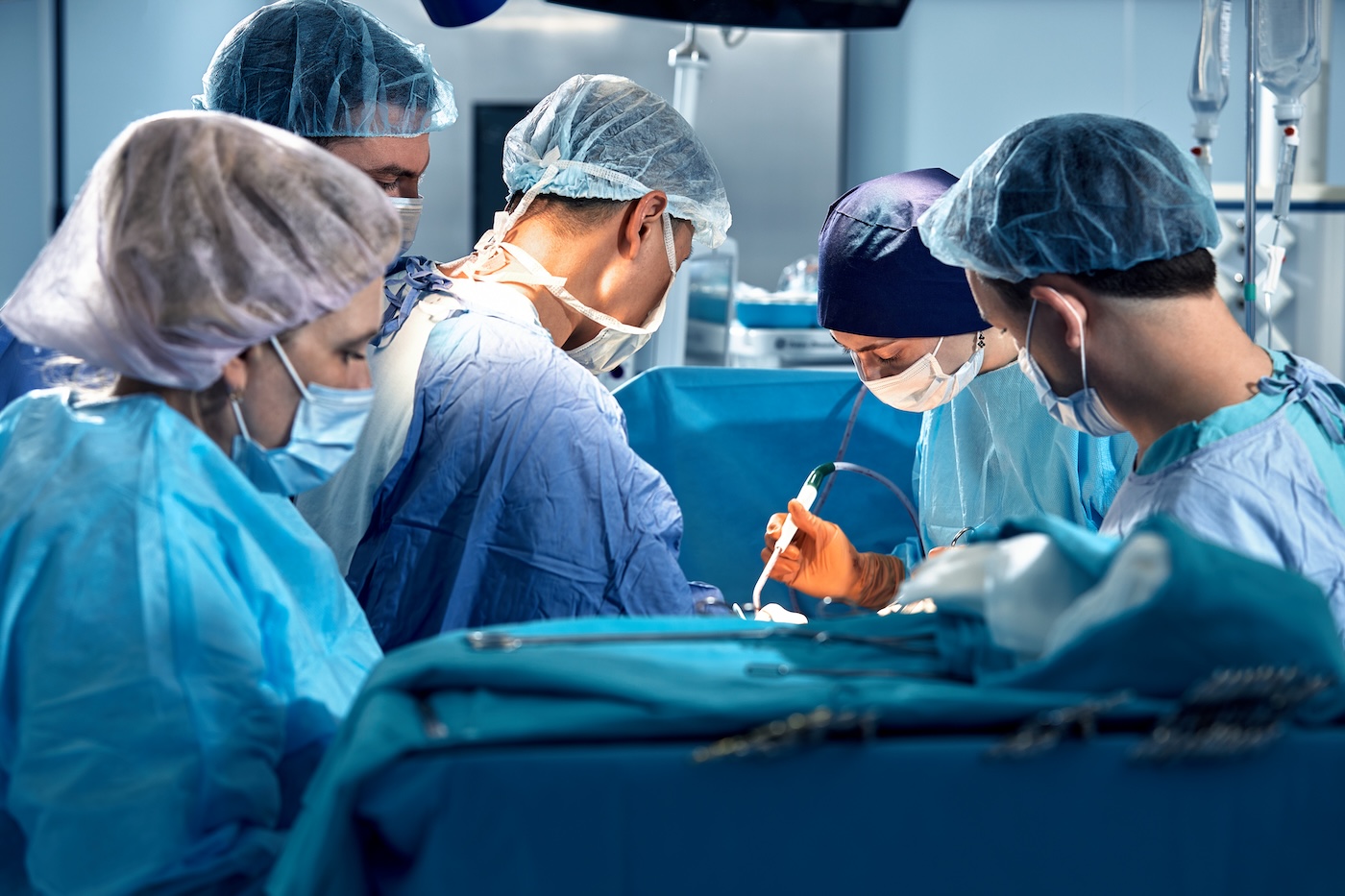
Minimally invasive spine surgery is a type of procedure in which surgeons use very small incisions (cuts in the skin and muscle) and specialized tools to treat problems in the spine, causing less disruption to healthy tissues than traditional surgery. Unlike the older approach, which typically involves a large opening, minimally invasive methods allow surgeons to reach the problem area with less tissue disruption. Less tissue disruption often means less pain after surgery and a speedier recovery.
During minimally invasive spine surgery procedures, Dr. Lanman uses cutting-edge instruments and technologies including high-definition cameras and computer-guided imaging to see inside the body and fix damaged spinal structures. This means less cutting, less bleeding, and typically a faster recovery after the surgery. Conditions commonly treated using minimally invasive techniques include herniated discs (where the soft material between the bones of the spine slips out and presses on nerves), spinal stenosis (a narrowing of spaces in the spine causing nerve pain or weakness), degenerative disc disease (slow breakdown of spinal discs over time), and instability (when parts of the spine cannot keep the bones properly aligned).
By focusing on reducing tissue damage and shortening the time needed to heal, minimally invasive spine surgery gives many patients the possibility of effective treatment with fewer risks and a smoother return to everyday life.
Success Rates of Minimally Invasive Spine Surgery
When doctors measure success, they look at several important factors. Pain reduction is typically measured using a scale from zero to ten, where patients rate their discomfort before and after surgery. Mobility restoration involves testing how well patients can move, bend, and perform daily activities without limitations. Patient satisfaction surveys ask people whether they would choose the same surgery again and how much their quality of life has improved. These measurements help doctors understand whether the surgery truly helped patients return to the lives they want to live.
Overall Success Rates
Success Rates in Lumbar Spine Surgery
Minimally invasive lumbar spine surgery achieved exceptional pain relief outcomes across multiple study types. Research on transforaminal lumbar endoscopic discectomy shows 90.4% overall success rate with respect to pain relief. Large-scale research studies show that 80 to 95 percent of patients experience significant pain relief and functional improvement following these procedures. Studies using the Oswestry Disability Index (the standard measure for how back problems affect daily activities) show that scores improved from 68.72 before surgery to 19.30 after surgery, representing a return to near-normal function for most patients.
Patient satisfaction rates with minimally invasive lumbar spine surgery are remarkably high across multiple research studies. A large multi-center study involving 748 patients found that 92% of patients undergoing minimally invasive spine surgery reported positive outcomes. Research on percutaneous endoscopic lumbar discectomy demonstrated 93.8% total patient satisfaction, with patients showing high satisfaction rates regardless of the specific minimally invasive technique used.
Studies comparing patient preferences found that patients who received minimally invasive procedures reported better care, sleep, hygiene, and comfort compared to traditional approaches. Studies tracking patient willingness to undergo the same procedure again found that over 90% of patients would choose minimally invasive lumbar spine surgery again if faced with the same condition.
Success Rates in Cervical Spine Surgery
For cervical spine (neck) surgeries, success rates can be even higher, with studies showing 91 to 96 percent of patients achieving excellent outcomes. Minimally invasive cervical spine surgery consistently delivers excellent pain relief for patients. Studies show that 96% of patients experience complete relief from radicular pain (nerve-related arm pain) following minimally invasive anterior cervical discectomy and fusion procedures. Functional improvement outcomes are equally impressive with minimally invasive cervical spine techniques. 91% of patients report significant functional improvements following minimally invasive anterior cervical procedures, as measured by standardized disability questionnaires. Studies using the Neck Disability Index (a tool that measures how neck problems affect daily activities like driving, sleeping, and working) show that scores improved from 50% disability before surgery to 23% after surgery, representing a return to near-normal function.
Patient satisfaction rates with minimally invasive cervical spine surgery are consistently high across multiple studies. 84% of patients report being satisfied with their surgical outcomes at two-year follow-up periods, based on standardized satisfaction surveys. For specific minimally invasive procedures like endoscopic cervical surgery, patient satisfaction rates exceed 85% across most research studies.
Long-Term Outcomes
Studies consistently show that the benefits of minimally invasive spine surgery endure well beyond the initial recovery period. In lumbar procedures, a meta-analysis of 29 studies found that patients maintained significant pain relief and functional gains at two-year follow-up, with only 7.8 percent requiring reoperation for recurrent symptoms or complications. Similarly, a level-1 evidence meta-analysis of minimally invasive lumbar fusion versus open fusion reported no significant difference in reoperation rates—both techniques saw reoperation in roughly 8 to 10 percent of patients over a two-year span.
For cervical spine surgery, long-term data indicate that 95 percent of patients retain their neurological improvements and pain relief at two-year follow-up after posterior minimally invasive approaches, with a reoperation rate of just 4.2 percent. These results mirror open surgery outcomes, where reoperation rates range from 3 to 6 percent in comparable patient populations.
When directly compared, minimally invasive and open spine surgery achieve equivalent long-term success in terms of pain reduction, functional improvement, and the need for further surgery. However, minimally invasive techniques offer the added advantage of reduced tissue trauma and faster early recovery without compromising durability. Patients can therefore expect lasting relief from their spinal conditions with low risk of needing additional surgery.
Benefits of Minimally Invasive Techniques
Minimally invasive spine surgery offers patients a range of advantages over traditional open procedures. One of the most significant benefits is reduced blood loss during the operation. Because surgeons work through small openings rather than large incisions, there is less disruption to muscles and blood vessels. This typically means patients require fewer, if any, blood transfusions and experience a more stable recovery immediately after surgery. In turn, hospital stays tend to be much shorter—many patients go home within one to two days instead of several—allowing them to return to the comfort of their own homes sooner.
Another key advantage is less post-operative pain. Smaller incisions and gentler handling of tissues reduce the trauma that leads to discomfort following surgery. As a result, patients often rely less on narcotic pain medications, which can have side effects such as nausea and grogginess. Early mobilization—walking and light activity—begins sooner, speeding up the overall healing process and helping prevent complications like blood clots or muscle weakness.
The minimally invasive approach also carries a lower risk of infection and scarring. Smaller wounds heal more quickly and with less exposure to bacteria, reducing the likelihood of post-operative infections. Cosmetically, the tiny incisions leave finer, less noticeable scars, which many patients find reassuring when thinking about their long-term appearance.
Finally, when minimally invasive techniques are paired with modern motion-preserving technologies—such as artificial disc replacement—patients can maintain more of their natural spine movement. Instead of fusing vertebrae together and permanently limiting that segment’s flexibility, an artificial disc can mimic the spine’s normal motion. This motion preservation not only enhances comfort and function after surgery but may also reduce stress on adjacent spinal segments, potentially lowering the risk of future problems.
Factors That Influence Success
Patient-Specific Factors
Patient factors play a major role in how well minimally invasive spine surgery works. Younger patients often heal faster, while older individuals may take longer because tissue repair slows with age. Overall health matters, too—people without chronic illnesses like diabetes or heart disease generally handle surgery and anesthesia more smoothly. The severity of the spinal problem determines how much a surgeon can fix through small incisions. One example that correlates with success is how narrow the spine has become. Finally, patients who enter surgery in good shape, e.g., those with strong core muscles, those who regularly do low-impact activities like walking or swimming, tend to recover faster and regain their full range of motion.
]Surgeon Skill & Technology
Minimally invasive spine surgery requires a high level of technical expertise and the right equipment. Choosing a surgeon experienced in minimally invasive and motion-preserving techniques ensures that every step is performed with precision. Advanced technologies, such as robotic-assisted systems, can enhance accuracy by guiding surgical tools along preplanned trajectories, reducing the risk of unintended tissue injury. Intraoperative monitoring provides an additional safety net by alerting the surgical team to any potential nerve irritation, allowing immediate correction before lasting damage occurs.
Recovery & Rehabilitation
carefully following post-operative instructions—such as proper wound care and limits on certain activities—patients lower their risk of complications and support healthy healing. Personalized physical therapy then strengthens the muscles around the spine, improves flexibility, and teaches safe movement patterns to protect the surgical area. Under professional guidance, patients gradually progress from gentle stretches to walking and core exercises, ensuring they safely regain full motion and enjoy lasting benefits from their surgery.
Risks and Limitations to Consider
Like any surgery, minimally invasive spine procedures carry risks. Potential complications may include nerve injury (accidental irritation or damage to nerves), infection around the surgical site, or incomplete decompression (meaning not all pressure on nerves is relieved). While such complications are uncommon, they can lead to ongoing pain or more serious problems that require additional treatment.
Minimally invasive techniques are not appropriate for all spinal conditions. People with severe spinal deformities, extensive instability, or complex multi-level issues may require traditional open surgery to achieve the best results. Sometimes, the small incisions and limited access of minimally invasive methods do not allow the surgeon to correct larger or more complicated problems.
Every patient should undergo a thorough assessment before surgery. This evaluation may include physical exams, imaging studies (like MRI or CT scans), and a review of overall health. Proper planning ensures patients receive the most appropriate treatment for their specific needs and reduces the chance of unexpected complications during or after the procedure.
Dr. Lanman’s Approach to Minimally Invasive Spine Surgery
Dr. Todd Lanman is widely recognized for his expertise in performing minimally invasive spine procedures that prioritize both rapid recovery and lasting spinal health. What sets Dr. Lanman apart is his skill in combining these gentle surgical techniques with advanced artificial disc replacement, a technology that allows many patients to keep natural movement in their spine instead of undergoing fusion. This emphasis on motion preservation means that the spinal segments treated during surgery continue to bend and flex like a healthy spine, which can help prevent future stress or stiffness in nearby areas.
In addition, Dr. Lanman uses a personalized methodology called 4D Health™ to guide every step of the surgical process—from careful evaluation before surgery to customized rehabilitation afterwards. This approach ensures that each patient receives care tailored to their unique needs, challenges, and goals for activity. Dr. Lanman’s commitment to minimally invasive techniques, combined with his focus on motion preservation and individualized recovery, gives patients the best possible chances for a safe procedure, quicker return to normal life, and strong long-term results.
FAQs About Minimally Invasive Spine Surgery Success
What is the recovery time for minimally invasive spine surgery?
Most patients recover from minimally invasive spine surgery within two to six weeks, with many returning to work and normal activities much faster than after traditional open surgery. Full healing and return to strenuous activities typically takes a few months, depending on the exact procedure and individual health factors.
How does minimally invasive spine surgery compare to open surgery in terms of success?
Minimally invasive spine surgery is just as successful as traditional open surgery for treating most spine conditions, delivering similar long-term pain relief and improvement in daily function. It also provides added benefits like quicker recovery, less post-operative pain, and fewer complications for most patients.
Can minimally invasive surgery treat all spine conditions?
No, minimally invasive spine surgery cannot treat all spine conditions. It works well for many common problems like herniated discs and spinal stenosis, but some complex cases—such as severe deformities or multi-level disease—still require traditional open surgery. Proper medical evaluation determines which approach is best
What are the risks of failure or needing revision surgery?
Most minimally invasive spine surgeries are successful, but risks include incomplete relief of symptoms, infection, nerve injury, or hardware problems. If complications or persistent pain occur, a second or “revision” surgery may be needed, which happens in about 5–10% of cases long-term.
Am I a candidate for minimally invasive disc replacement?
Candidates for minimally invasive disc replacement are typically adults with chronic disc pain who have not improved with conservative treatments, have healthy bone structure, and do not have severe spinal deformities or multi-level disease. A spine specialist will review your medical history, imaging, and symptoms to determine if disc replacement is the right option for you.
Relief That Preserves Motion and Restores Daily Living
Minimally invasive spine surgery can deliver highly successful outcomes when performed by an expert. With quicker recovery, less pain, and advanced motion-preserving solutions, patients often return to active, pain-free lives.
If you’re considering spine surgery, schedule a consultation with Dr. Todd Lanman to learn whether minimally invasive techniques are right for your condition.