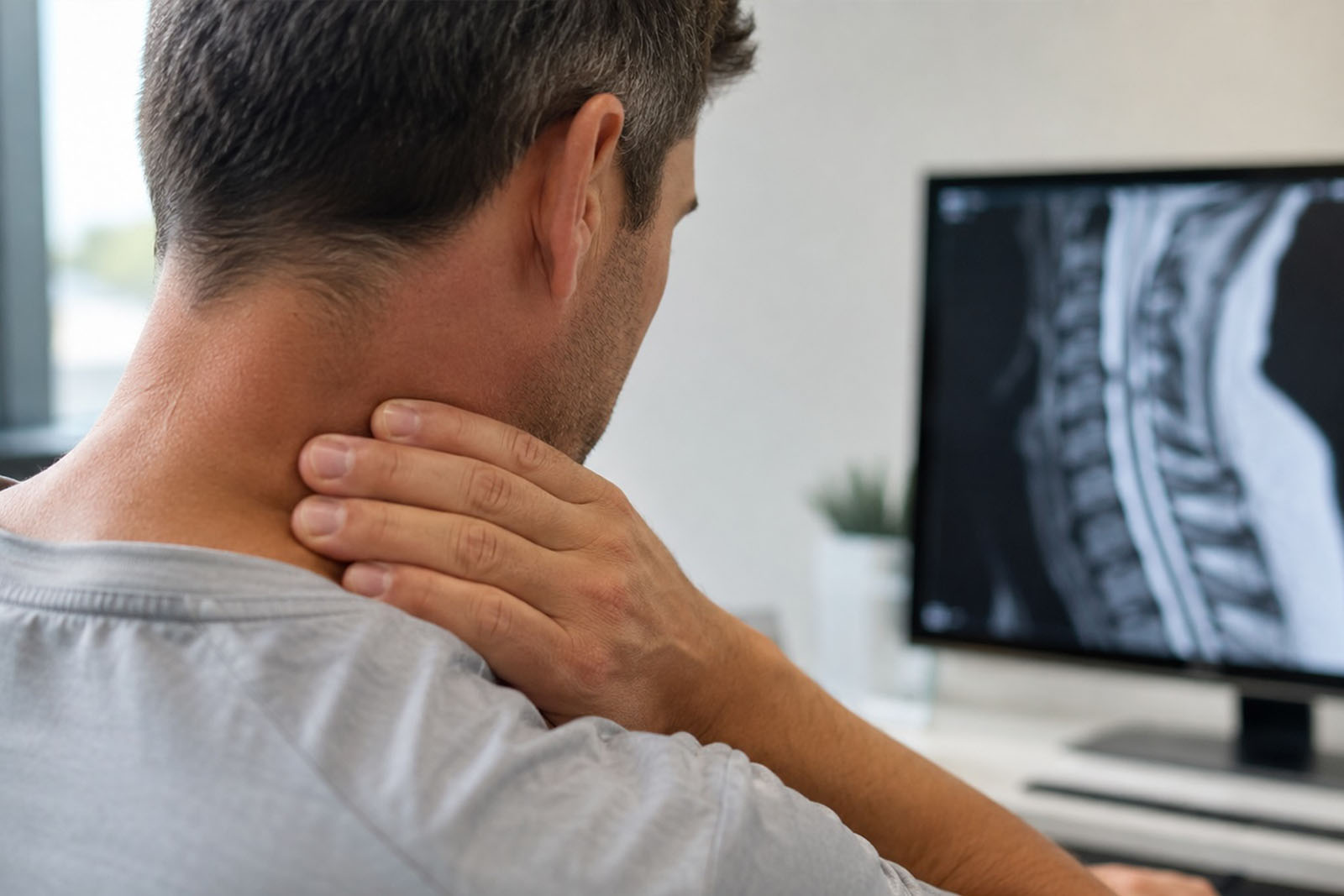


Few things are as frustrating as lying awake in pain, unable to find a comfortable position because of a herniated disc. The same spinal issue that makes it hard to sit or stand can make nights even worse, when pressure on the nerves intensifies and every small movement sends a jolt through your back or neck. Sleep should be restorative, not painful. Yet for many patients, relief depends as much on how they sleep as on any treatment they receive. In this article, world-renowned spine surgeon Dr. Todd Lanman explains how strategic sleeping positions can ease pressure on the spine, calm irritated nerves, and help you wake up with less pain and more mobility.
Why Sleep Is Often Disrupted by a Herniated Disc
Sleep disruption is common in people with a herniated disc because of how the spine reacts to pressure and inflammation. When disc material bulges outward and presses against a nearby nerve root, it can trigger sharp, radiating pain or numbness that worsens when the body is still. Lying down may also allow spinal muscles to tighten or spasm, particularly after a day of guarding or compensating for pain. Inflammation tends to accumulate over the course of the day, causing swelling and sensitivity that make it difficult to find comfort at night. Poor posture and unsupportive sleep positions compound the problem by placing the spine in unnatural alignment, increasing nerve irritation and mechanical stress on the injured disc. Together, these factors explain why restful sleep often feels out of reach until the underlying spinal pressure is relieved.
Best Sleeping Positions for Herniated Disc Relief
1. On Your Back with a Pillow Under the Knees
Sleeping on your back with a pillow beneath the knees is often one of the most effective positions for relieving herniated disc pain. This posture helps maintain the spine’s natural curvature, allowing the vertebrae and discs to remain in a neutral alignment rather than bending or twisting. Elevating the knees slightly reduces tension in the lower back muscles and lessens the load on lumbar discs, which can decrease nerve compression and stiffness upon waking. A small, supportive pillow under the head completes the alignment by preventing the neck from flexing too far forward. Together, these adjustments create a balanced, supported position that minimizes spinal strain and promotes more restorative sleep.
2. On Your Side with a Pillow Between the Knees
Lying on your side with a pillow between your knees can offer substantial relief for herniated disc pain, particularly when the lower back or sciatic nerve is affected. This position helps keep the hips level and prevents the spine from twisting, a common source of nighttime irritation and morning stiffness. Placing a firm pillow between the knees maintains proper alignment of the pelvis and lumbar spine, reducing uneven pressure on the affected disc. Many patients find that drawing the knees slightly toward the chest opens the spaces between vertebrae, easing nerve compression and promoting better comfort through the night.
3. Fetal Position (For Lumbar Disc Herniation)
The fetal position can be especially helpful for people with lumbar disc herniation. Curling gently on one side with the knees drawn toward the chest widens the space between the vertebrae, relieving direct pressure on the affected disc and nearby nerve roots. This position often reduces the radiating pain, tingling, or numbness that can extend into the legs when a lumbar nerve is compressed. It is important, however, to avoid tucking too tightly, which can strain the neck or restrict breathing. When done correctly, e.g., with a supportive pillow under the head and another between the knees, the fetal position can create a decompressive effect that allows the lower back to relax and the nerves to settle, making it easier to fall and stay asleep.
4. On Your Stomach with a Pillow Under the Pelvis (Only for Cervical Pain Relief)
Although stomach sleeping is usually discouraged for those with spinal problems, it can occasionally provide relief for patients with cervical disc herniation. Lying face down with a small pillow—or no pillow—under the head and a supportive cushion beneath the pelvis can slightly extend the neck and reduce pressure on certain cervical discs. This position may help relieve arm pain or numbness in select cases where nerve compression occurs toward the front of the spine. However, for most individuals, stomach sleeping places undue stress on the lower back and neck, often worsening alignment and discomfort. It should be used only under a physician’s guidance and discontinued if pain increases or new symptoms appear.
Positions to Avoid with a Herniated Disc
Certain sleep positions can aggravate a herniated disc or slow recovery by increasing stress on the spine. To protect spinal alignment and reduce nighttime pain, it is best to avoid the following:
- Stomach sleeping (in most cases): This position often forces the spine into hyperextension, straining the lower back and neck while compressing the discs.
- Twisted or half-side/half-stomach positions: These uneven postures rotate the pelvis and lumbar spine, producing asymmetrical pressure on the discs and irritating nearby nerves.
- Too soft or too firm mattresses: A mattress that sinks too deeply can allow the spine to sag, while one that is overly firm prevents the natural curves of the spine from settling into alignment. Both extremes can worsen stiffness and pain by disrupting neutral spinal posture.
Additional Tips for Better Sleep with a Herniated Disc
Improving sleep quality with a herniated disc often depends on more than position alone. Small adjustments to your sleep setup and nightly routine can ease pressure, calm inflammation, and help you wake with less pain.
- Use a medium-firm mattress: It should support the spine’s natural curves while preventing sagging or excessive pressure points.
- Place pillows strategically: Support the neck, lower back, or knees as needed to keep the spine in a neutral, straight alignment.
- Avoid large, thick pillows under the head when on your back: These elevate the head too far forward and strain the cervical spine.
- Keep a consistent sleep schedule: Going to bed and waking at the same time each day helps regulate muscle recovery and reduce stiffness.
- Apply heat or ice before bed: Heat can relax tight muscles, while ice can reduce inflammation around the affected disc.
- Stretch gently in the evening: Light stretching or guided relaxation exercises can ease tension and prepare the body for more comfortable rest.
When Sleep Trouble Signals a Bigger Problem
Persistent sleep disturbance from a herniated disc can signal a more serious spinal problem. If pain awakens you nightly, persists despite posture changes, or causes numbness or weakness, it may indicate significant nerve compression that warrants professional assessment. Chronic sleep loss not only slows recovery but also affects mood, concentration, and overall health. When symptoms continue despite self-care, advanced imaging such as MRI may be necessary to pinpoint the source of pressure. Consulting a spine specialist like Dr. Todd Lanman ensures that the problem is accurately diagnosed and treated with the most effective options available—before it progresses or leads to lasting nerve injury.
Expert Treatment for Persistent Herniated Disc Pain
When conservative measures fail to relieve herniated disc pain, expert intervention can make all the difference. Dr. Todd Lanman offers advanced surgical solutions tailored to each patient’s condition and lifestyle. A microdiscectomy can provide targeted relief by removing the portion of disc material that is pressing on the nerve, often restoring comfort and mobility within weeks. For patients who need longer-term restoration of spinal function, Artificial Disc Replacement (ADR) preserves natural motion rather than fusing the vertebrae, reducing the risk of future degeneration at adjacent levels. Dr. Lanman’s goal is always the same—to help patients sleep soundly, move freely, and return to a pain-free, active life.
FAQs About Sleeping with a Herniated Disc
What’s the worst sleeping position for a herniated disc?
Sleeping on your stomach is usually the worst position for a herniated disc. It forces your spine into extension, increases pressure on the affected disc, and can strain neck and lower back muscles. Over time, this posture may worsen pain or slow recovery. Sleeping on your back with a pillow under your knees or on your side with a pillow between your knees helps keep your spine aligned and reduces disc stress.
Can sleeping wrong make my disc herniation worse?
Yes. Poor sleeping posture can worsen a disc herniation by increasing pressure on the damaged disc and surrounding nerves. Positions that twist or extend the spine—especially lying face down—can heighten inflammation and pain. Maintaining a neutral spine with supportive pillows under your knees or between your legs helps reduce strain and allows the disc to heal more effectively.
Should I sleep with a pillow under my knees?
Yes, placing a pillow under your knees can help if you sleep on your back with a herniated disc. The pillow slightly flexes your hips and knees, which reduces stress on the lumbar spine and eases pressure on the herniated disc. If you prefer to sleep on your side, placing a pillow between your knees serves a similar purpose by keeping your spine aligned and lowering strain on the lower back.
Do I need a special mattress for disc pain?
Not necessarily, but the right mattress firmness can make a major difference. A medium-firm mattress usually offers the best balance of support and pressure relief for disc pain. It keeps the spine aligned while allowing natural curves to settle comfortably. A mattress that is too soft lets the spine sag, while one that is too hard can create pressure points. If a new mattress is not an option, a supportive mattress topper can improve comfort and spinal alignment.
What if I have herniated discs in both my neck and lower back?
If you have herniated discs in both your neck and lower back, you need to protect the entire spine while sleeping. The best option is usually lying on your back with a small pillow under your knees and a thin, supportive pillow under your neck to maintain natural alignment. Avoid thick or multiple pillows that push the head forward, and avoid stomach sleeping, which strains both areas. A medium-firm mattress that keeps the spine in a neutral position from head to tailbone offers the most consistent relief.
Better Sleep Starts with Better Spinal Support
Sleeping with a herniated disc does not have to mean long nights of pain and frustration. With proper positioning, the right mattress, and attention to spinal alignment, many patients achieve lasting relief and more restorative sleep. For those whose symptoms persist, Dr. Todd Lanman provides advanced, motion-preserving solutions that restore comfort, mobility, and peace of mind—helping patients sleep well and live fully again.
Struggling to sleep because of a herniated disc? Schedule a consultation with Dr. Todd Lanman in Beverly Hills to explore personalized solutions, from expert sleep positioning tips to advanced surgical care that preserves motion and relieves pain long-term.