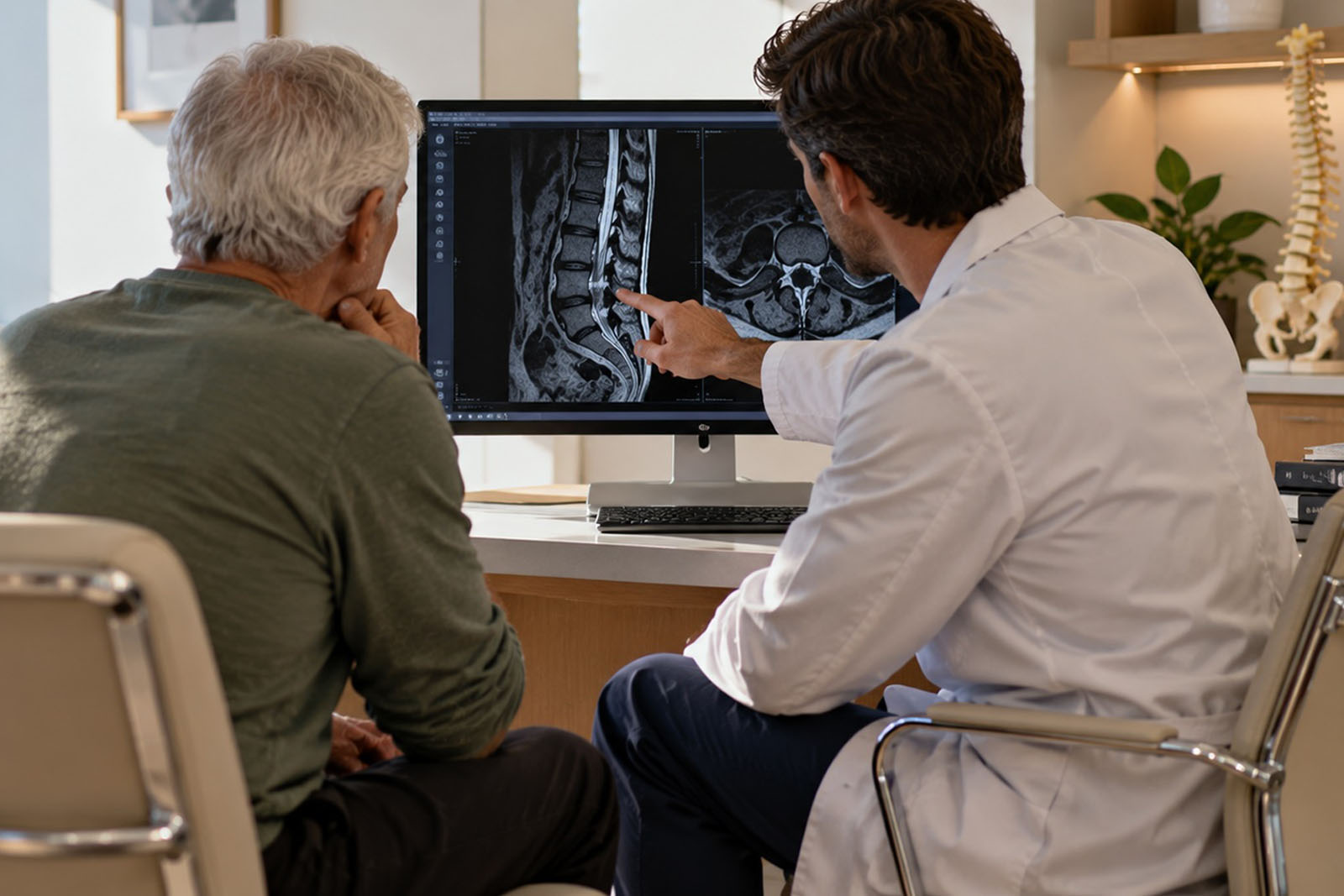


Lower back pain is one of the most common reasons people seek medical care, and the L4-L5 disc space is often the culprit. When non-surgical treatments fail, artificial disc replacement may provide lasting relief while preserving spinal motion. As a world-renowned spinal neurosurgeon, Dr. Todd Lanman specializes in advanced motion-preserving techniques to restore mobility and quality of life.
Understanding the L4-L5 Disc and Its Role in the Spine
The lumbar spine makes up the lower back region and includes several vertebrae, each separated by discs that act as shock absorbers and allow flexibility. The L4-L5 segment is one of the most important levels because it carries much of the weight and movement of the lower body. This disc is especially prone to wear and tear as people age or through injuries, making it a common source of back problems.
When the L4-L5 disc degenerates, the normal cushioning between the bones is lost. As a result, the vertebrae may press together or slip out of place, putting pressure on nearby nerves. This nerve compression is what leads to symptoms such as persistent lower back pain, pain that radiates down one or both legs (often referred to as sciatica), and discomfort during movement or rest. Stiffness, numbness, or muscle weakness can develop when nerve signals are disrupted at this level, sometimes making simple daily activities difficult and affecting overall quality of life.
What Is L4-L5 Disc Replacement Surgery?
L4-L5 disc replacement surgery is a spine surgery procedure intended to relieve pain in the lower back by replacing a worn or damaged disc with an artificial one. This technique, called artificial disc replacement (ADR), involves removing the problematic disc at the L4-L5 level and placing a man-made device in its place. The goal is to restore normal spacing between the vertebrae and allow for continued movement at that part of the spine.
ADR is different from spinal fusion, another common surgery for back pain. In a fusion procedure, Dr. Lanman removes the damaged disc and permanently joins (fuses) two or more vertebrae together with bone grafts or implants. Once two vertebrae are fuses, there is no longer movement at that area. While fusion can be very effective for relieving pain, it also limits flexibility and may put extra stress on surrounding spine and discs over time.
The main goals of L4-L5 disc replacement are to eliminate pain caused by the degenerated disc, relieve pressure on nerves that may be pinched (decompress nerves), and preserve the normal motion of the spine. By keeping the treated area flexible, disc replacement can help patients return to daily activities without chronic pain and maintain better long-term spinal health.
Who Is a Candidate for L4-L5 Disc Replacement?
Ideal Candidates:
People who are ideal candidates for L4-L5 disc replacement often have specific conditions affecting the L4-L5 disc, such as degenerative disc disease, a herniated disc, or a disc that has collapsed. These patients usually experience chronic lower back pain and may also have symptoms like leg pain or numbness that haven’t responded to treatments such as physical therapy, medication, or injections. The procedure is best suited for individuals whose pain is directly related to L4-L5 disc problems and who are looking for long-term relief while maintaining as much natural spinal movement as possible.
Who May Not Qualify:
Some people may not be suitable candidates for L4-L5 disc replacement surgery. Individuals with severe arthritis or major spinal deformities may not benefit from an artificial disc because their spinal bones and joints no longer provide adequate support for the replacement. Patients with multi-level degeneration, that is, problems extending beyond the L4-L5 disc, may require a different type of surgery to address all damaged segments. (However, Dr. Lanman is perhaps the world’s leading expert on multi-level ADR) Additionally, conditions like spondylolisthesis, where one vertebra slips forward and causes instability, can make disc replacement unsafe or ineffective. In these cases, surgeons may recommend other surgical options that restore stability and relieve pain more reliably.
Benefits of L4-L5 Disc Replacement
L4-L5 disc replacement surgery offers a range of benefits for people struggling with persistent lower back pain. The most immediate advantage is effective pain relief. This benefit is often accompanied by a noticeable improvement in mobility, allowing patients to move, bend, and carry out daily activities far more comfortably. Unlike spinal fusion, which eliminates movement at the treated segment, an artificial disc maintains natural flexibility at L4-L5. This preservation of motion not only feels more comfortable but also helps distribute pressures across the spine, reducing the risk that nearby discs will wear out sooner—a problem known as adjacent segment degeneration. People who have disc replacement also tend to recover faster than those undergoing fusion surgery, with a quicker return to regular routines and active lifestyles. For many, this procedure delivers long-term results that restore quality of life.
Risks and Considerations
L4-L5 disc replacement surgery is generally safe, but like any medical procedure, it carries certain risks. Some possible complications include infection at the surgical site, wear or loosening of the implant over time, injury to nearby nerves, or movement of the artificial disc from its original position. Selecting a surgeon with extensive experience in disc replacement is critical, since precision and skill greatly reduce the chance of these problems occurring. Advances in implant technology have made artificial discs highly durable, but regular follow-up is important to ensure continued success and to address any rare issues that might develop years after surgery.
The Surgical Procedure and Recovery
The Procedure:
During L4-L5 disc replacement surgery, the damaged disc is first located using advanced imaging, such as X-rays or CT scans. Dr. Lanman carefully removes the worn or herniated disc material, relieving any pressure on nearby nerves. Next, an artificial disc is implanted between the vertebrae, restoring normal spacing and allowing the spine to move naturally. Throughout the procedure, specialized instruments and visual guidance technology help ensure accuracy and protect surrounding tissues. This precision is crucial for optimal placement of the artificial disc and for minimizing the risk of complications.
Recovery Timeline:
After surgery, most patients spend a short time in the hospital or they may be able to go home the same day (i.e., 23 hours after surgery). During this postoperative recovery period, staff monitors the patient’s surgical site and overall comfort. Immediate post-operative care focuses on pain management and safe early movement. Most people can expect to return to routine activities within a few weeks. Physical therapy starts soon after, helping patients strengthen supporting muscles and gradually restore flexibility. A full recovery that may include strenuous activities may take anywhere from one to three months (or longer) depending on individual factors and overall health.
L4-L5 Disc Replacement vs. Spinal Fusion
L4-L5 disc replacement and spinal fusion are two distinct ways to treat damaged discs in the lower back. Disc replacement involves removing the worn or herniated disc and inserting an artificial one, which restores normal spacing and allows for movement at the L4-L5 level. Fusion, on the other hand, joins two vertebrae permanently and eliminates motion where the disc once was. This difference in approach matters: the artificial disc preserves natural flexibility, making most daily movements feel smoother and more normal.
Artificial disc replacement often delivers better long-term results for mobility and helps protect the rest of the spine. When one segment is fused, nearby discs can take on added stress and may wear out more quickly; disc replacement avoids this issue by maintaining regular motion at the treated level. For many patients, this means less risk of developing new problems in the future.
However, spinal fusion is still necessary in certain cases—especially when the spine is highly unstable, there is severe deformity or severe arthritis. In these situations, fusion can offer a more secure result and better pain control. The best option depends on each person’s anatomy, diagnosis, and goals for activity after surgery
Why Choose Dr. Todd Lanman for Disc Replacement Surgery
Dr. Todd Lanman is a pioneer in the field of artificial disc replacement, bringing more than three decades of experience to every procedure he performs. As a lead investigator for many FDA-approved disc replacement devices, Dr. Lanman has helped shape the development of safer and more effective technology for patients worldwide. His reputation for excellence is recognized not just by medical professionals, but also by patients from around the globe—including top executives and celebrities—who trust him to restore their spinal health. Every treatment begins with Dr. Lanman’s personalized 4D Health™ approach, which evaluates a patient’s unique condition, lifestyle, and goals to create a customized plan for recovery and lasting wellness.
FAQs About L4-L5 Disc Replacement
How long does recovery take after L4-L5 disc replacement?
Most people can return to light activities within two to four weeks after L4-L5 disc replacement surgery, while full recovery—including strenuous exercise—typically takes six to ten weeks, depending on individual health and rehabilitation progress.
Will I still have back pain after the surgery?
Most patients experience significant relief from back pain after L4-L5 disc replacement surgery, but some mild discomfort or aches may persist during recovery. If symptoms continue or return, follow-up with your doctor is important to address any underlying issues.
How long do artificial discs last?
Artificial discs are designed to last many years—often 50 years or more—with most patients enjoying long-term relief and function. Artificial wear testing suggests implants will last 70 years or more. Regular follow-up is recommended to monitor implant health over time.
Is disc replacement covered by insurance?
Disc replacement surgery is often covered by insurance, but coverage varies by provider, plan, and medical necessity. Check with your insurance company and Dr. Lanman’s office for specific details about eligibility and approval.
Can I return to sports or heavy activity after ADR?
Many patients can safely return to sports and heavy activities after artificial disc replacement, usually within a few months of surgery once healing and rehabilitation are complete. Dr. Lanman will provide personalized guidelines based on your progress and specific activity goals.
Relief That Preserves Motion and Restores Daily Living
For patients struggling with lower back pain caused by L4-L5 disc degeneration, disc replacement surgery can be life-changing. By preserving motion and providing long-term relief, this advanced procedure restores quality of life for many who have run out of options.
Schedule a consultation with Dr. Todd Lanman today to discover if you’re a candidate for L4-L5 disc replacement surgery and take the first step toward lasting relief.